

TL;DR: Yes, but only if you point it at something specific. Most small businesses that waste money on AI buy the tool before they have found the problem. The ones that get a return work the other way round: they find the biggest leak in their marketing, then ask whether AI can plug it better than what they are doing now. If it cannot, they leave it alone.
I met a plumber at a networking event recently. When he found out I work with AI, he could not wait to tell me about the tool he was paying for that generated videos for his business.
I asked him one question. How much work had he won from video before he started using it?
“None,” he said. “But…”
I did not need to say anything else. He got there on his own, mid-sentence. He had not bought a marketing system. He had bought himself another job.
The Question You Are Being Asked Is the Wrong One
“Should I be using AI?” is about as useful a question as “should I be using tools?” It depends entirely on which tool, and which job.
The honest answer for most UK small businesses is yes, there is probably something here worth having. But almost none of the value is in the places it is being sold to you.
I Got This Wrong Myself
When AI tools first became widely available, I encouraged clients to use them for social media output. These were mostly home service and professional service businesses across West Yorkshire.
The feedback came back quickly, and it was not good. The images were obviously AI generated. The written content was generic. It did not sound like them.
I had rushed headlong into the hype without properly considering what that does to a local business owner’s reputation. And for a local business, reputation is not one factor among many. It is the whole thing.
What I should have done was think much harder about targeting the use of AI, rather than firing it randomly and hoping.
That mistake is the reason I now start every conversation the same way.
What It Looks Like When You Aim Properly
I sat down with the sales manager of a composite fencing company. Their marketing was working. Leads were coming in steadily and there was no shortage of interest.
The problem was what happened next.
There was a lag between a lead arriving and anyone from the sales team making real contact. Evenings and weekends were the worst of it. An enquiry submitted at seven on a Friday might not get a proper response until Monday or Tuesday. By then the interest had cooled and the lead had gone quiet.
We put in a speed to lead AI agent. Time to first contact went from days to minutes. It answered questions, built rapport, and booked appointments directly.
Surveys booked with clients went up by 40%, almost overnight.
Nothing about their marketing changed. Not the spend, not the channels, not the messaging. The leads were already there. The leak was downstream of everything they were paying attention to.
How to Find Where Yours Is Leaking
When I work with an owner, I want to know what is already working and what is not. These are the questions that surface it:
- How quickly does a missed call get replied to?
- What happens if a lead comes in over the weekend?
- Are quotes and prices followed up within a few days?
- Can website visitors get answers in real time, or do they have to wait for someone to respond to a contact form?
- Where do your current leads actually come from?
- Are existing customers being asked for referrals?
- Is there an incentive for happy customers to introduce friends and family?
None of those questions mention AI. That is deliberate. You cannot decide whether a tool is worth buying until you know which job you are hiring it for.
The Test That Decides It
Once we know where the losses are happening, there is one question left. Can AI or automation improve on the current result?
AI is process driven. You tell it what to do and when, and it does that consistently. No bad days, no annual leave, no sick days. For a task that is repetitive, time sensitive and happening when nobody is available, that is a genuine advantage.
If AI produces a better output than the current approach, we add it. If a human interaction works better, we leave the human in place.
That second half matters as much as the first. Plenty of what your business does well is working precisely because a person is doing it.
What Is Still Being Oversold
The hype that persists is the suggestion that AI can do everything.
It cannot, and chasing that idea is how owners end up sidetracked by shiny objects. The plumber with the video tool had not made a bad decision because AI video is worthless. He had made a bad decision because video was never where his business came from. He automated something that was not producing anything.
On social media specifically, my position has moved since I got it wrong, but with a condition attached. AI can genuinely help with social content. It can only do so when it has been trained on your business, your brand voice, the way you actually speak, and what works on each individual channel you use.
Untrained, you get exactly the generic output I inflicted on my clients. That gap is the reason I built the AI CMO.
Where to Start This Week
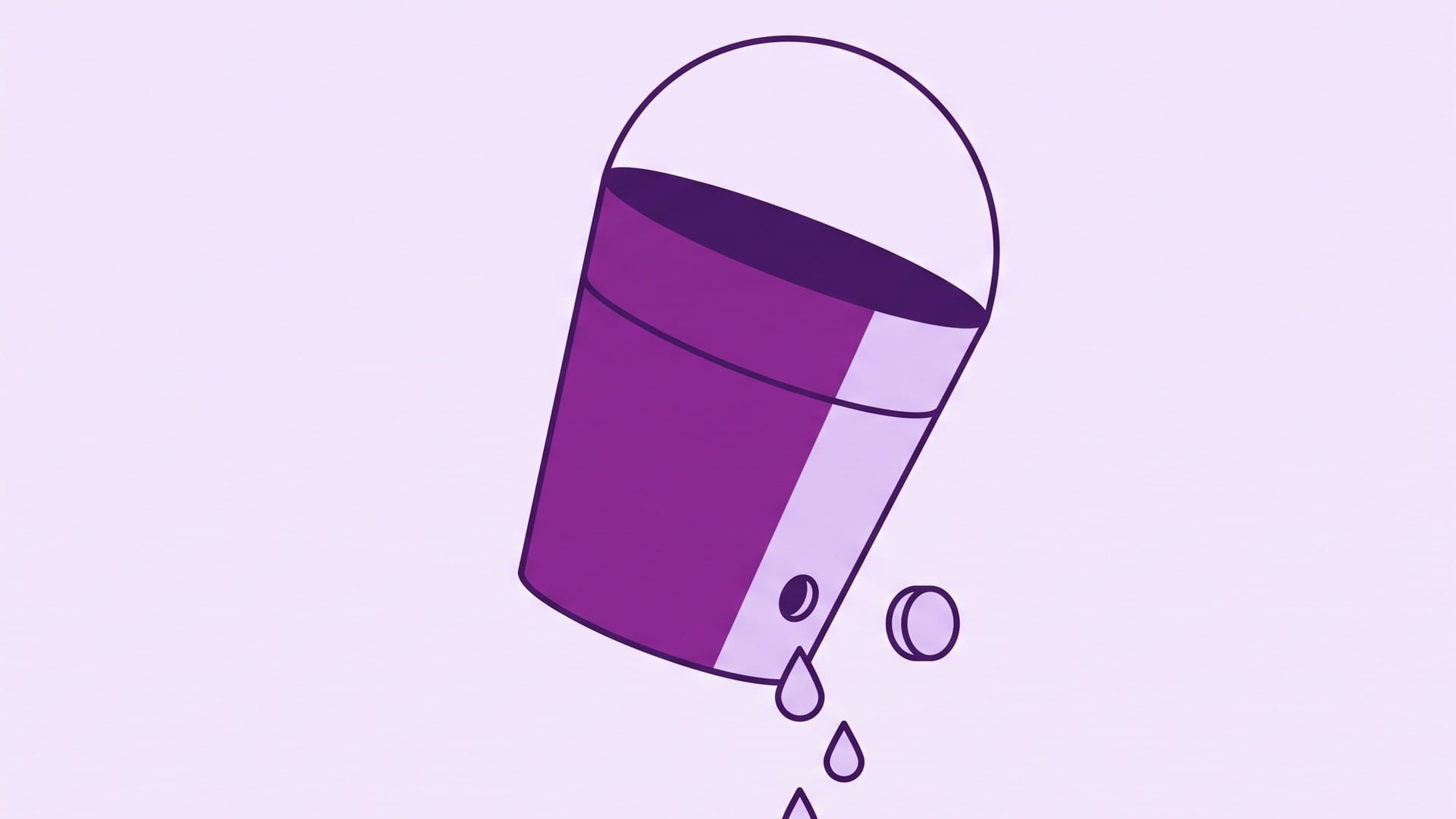
Find the biggest leak in your marketing bucket, then ask whether a simple AI or automation could fix it.
If you are missing calls during the day because you are working on other jobs, an automated missed call text back service might solve it. If you are receiving completed contact forms asking simple questions you could have answered instantly, a website knowledge base agent might solve that.
You do not need to know the solution. That is my job.
You need to understand where your bucket is leaking.
There is an old song where Henry tells Liza there is a hole in his bucket. Her answer is the only sensible one anybody has ever given. Well, fix it.
Key takeaway: Do not ask whether your business should use AI. Ask where your marketing is losing people, then ask whether AI can plug that particular gap better than what you do now. Pointed at the right leak, it is one of the cheapest fixes available to a small business. Pointed at nothing in particular, it is an expensive hobby.
Not sure where your bucket is leaking? Find out in three minutes.
The free AI Marketing Health Check scores your business out of 110 across six key areas and shows you the quickest wins. Takes 2 to 3 minutes. No call required.
Find our articles useful? Help us show up more in your Google results: