


Most business owners believe they need more leads.
More advertising. More traffic. More enquiries.
But after working with dozens of businesses across industries like mortgage brokers, estate agents, solar companies, plumbers and heating engineers, I’ve noticed something surprising.
Many businesses already have their next customers sitting in their database.
They just don’t realise it.
Or worse, they believe those leads are “dead”.
In reality, they’re often anything but.
This is where database reactivation becomes one of the fastest ways to generate new customers without increasing ad spend.
In fact, many businesses are getting enquiries but not customers because they don’t have a consistent process for following up and reconnecting with people who have already shown interest.
Database Reactivation: The Hidden Opportunity Most Businesses Overlook
If your business has been running for more than a year, there’s a good chance you already have:
- Enquiries from 6–18 months ago
- Leads that never responded
- Customers who requested quotes but didn’t proceed
- People who were interested but got busy
This is especially true for businesses with high customer turnover, such as:
- Mortgage brokers
- Estate agents
- Solar companies
- Plumbers and electricians
- Heating and boiler companies
- Home improvement businesses
Over time, these enquiries quietly build up.
And then something interesting happens.
Business owners either assume they’ve already contacted them all, or rely on their sales team who say the leads were “dialled to death”.
In reality, sales teams often focus on the line of least resistance. They prioritise the easiest wins and move on quickly.
Which means many leads are never properly followed up.
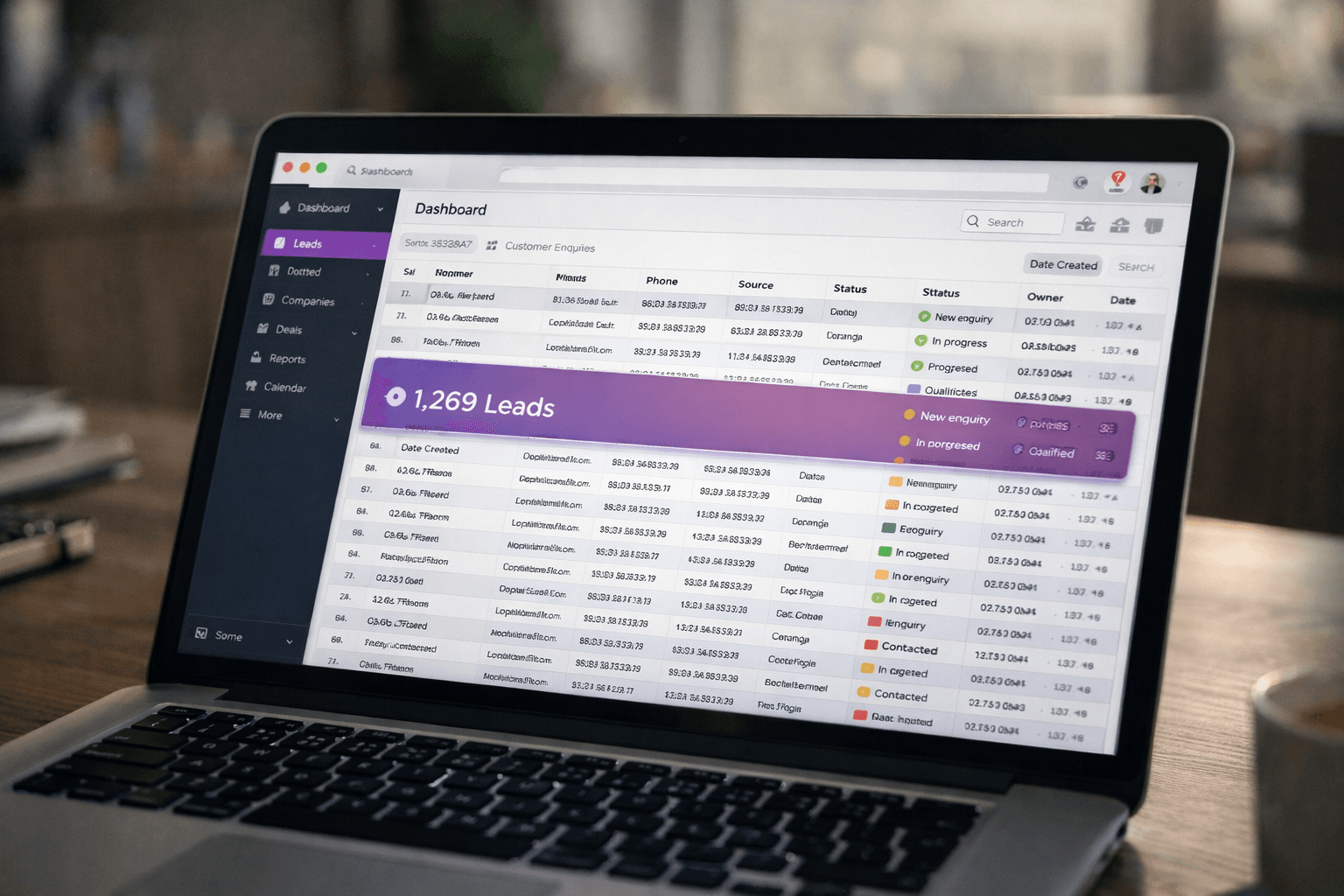
Many businesses already have a bank of potential customers sitting in their database.
Why Database Reactivation Works So Well
There’s a simple reason database reactivation works.
In real life, people do not always follow through.
They enquire about a product or service, then get busy, change priorities, forget, or let life get in the way.
That does not mean they lost interest.
It often means they did not act at that moment.
When you reconnect in a friendly, natural way, many people are still open to continuing the conversation.
In fact, we often see 25–30% reply rates when running database reactivation tests, with most responses being positive.
This is particularly important because response timing plays a major role in conversions. Even small delays can reduce success, which is why how quickly you respond to leads often determines whether an enquiry becomes a customer.
That is why I always recommend testing first.
The goal is not to assume the opportunity exists. The goal is to measure how much opportunity is being left on the table.
A Real Example: 8,000 “Dead” Leads
A gas boiler company in my town had accumulated more than 8,000 leads over a 12-month period.
These were enquiries they had already paid for.
When I suggested database reactivation, the assumption was predictable:
“We’ve already contacted them.”
But instead of debating it, we ran a small test.
We selected just 1,000 leads and applied our “Prince Charming” approach.
The results were surprising.
From leads that were supposedly dead, the campaign produced:
48 new boiler sales
From just 1,000 leads.
No new advertising.
No new marketing spend.
Just reconnecting with people who had already shown interest.
If you’re curious how this works in practice, our database reactivation campaigns reconnect with past enquiries and turn them into new customers without additional ad spend.
That’s when business owners often realise something important.
The opportunity was already sitting in their database.
The “Prince Charming” Approach
Traditional follow-up often feels salesy or pushy.
That’s why we use a more natural, conversational approach.
It usually starts with a simple SMS or WhatsApp message:
“Is this the same Bob that enquired about a new gas boiler a few months ago?”
If Bob replies:
“Yes, it is.”
The conversation continues naturally:
“Hi Bob, this is Sarah from ABC Boilers. I had a note pinned to my computer to call you but didn’t want to disturb you unnecessarily. Are you still thinking about changing your boiler?”
From there, the conversation flows naturally.
Behind the scenes, AI can help:
- Ask qualifying questions
- Gather information
- Suggest appointment times
- Book directly into calendars
To the customer, it feels like a helpful, human conversation.
But in reality, the process is structured, scalable and consistent.
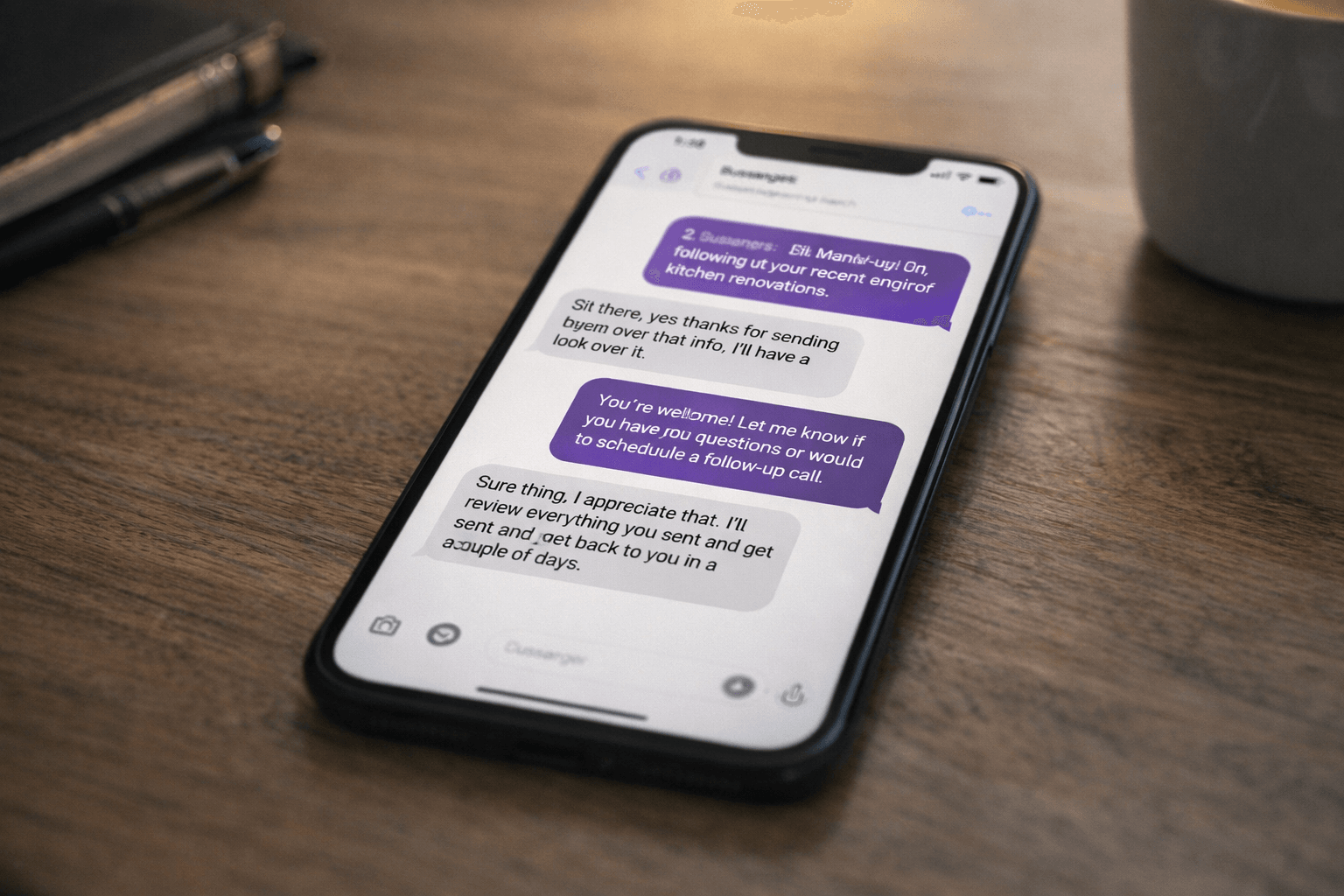
A simple, friendly message can restart conversations with customers who previously enquired.
The Objections Business Owners Usually Have
Before running database reactivation, most business owners say:
- We’ve already contacted them
- The leads are too old
- We don’t want to annoy people
- We don’t have time
- They probably went elsewhere
In many cases, those customers didn’t choose a competitor. They simply never heard back.
This is especially common when businesses are missing calls or responding slowly, which is why it’s important to understand how much missed calls are costing your business.
This is why we always recommend running a test first.
We typically offer what we call a no-brainer test:
- We take the risk
- The business owner pays nothing upfront
- We test a portion of the database
- Then review results together
This removes uncertainty and quickly reveals the opportunity.
Database Reactivation Is Often Just the Beginning
Something interesting usually happens after a successful reactivation campaign.
Once business owners see results from leads they thought were worthless, they often ask:
“What else can you help us with?”
That’s when the wider conversation begins.
Because database reactivation often reveals a bigger issue.
Most businesses do not have a traffic problem.
They have a lead handling system problem.
Once we’ve proven value, we often go on to help with:
- Speed-to-lead systems
- AI receptionists
- Customer service automation
- Document collection bots
- Follow-up automation
- Lead qualification systems
Database reactivation becomes the proof of concept.
After that, businesses naturally want help improving their entire customer journey.
How Many Potential Customers Are Already Sitting in Your Database?
If your business has been running for more than a year, there’s a strong chance your next customers are already there.
They enquired.
They showed interest.
They just didn’t follow through.
Before spending more on advertising, it’s worth asking one simple question:
How many potential customers are already sitting in your database?
You might be surprised what happens when you simply start the conversation again.
Database reactivation is often the fastest way to unlock revenue without spending more on advertising.
If you’d like to explore what opportunities may already exist in your database, you can take the free AI Marketing Health Check and we can walk through your current lead handling process together.
Find our articles useful? Help us show up more in your Google results: